
Bitcoin Miners Pivot to AI: Why the Industry Is Selling Its Reserves
In early 2026 a wave of strategic moves reshaped the public‑company mining landscape. MARA Holdings (NasdaqCM:MARA), whose shares slipped more than 12% year‑to‑date, announced a 15% workforce reduction while simultaneously liquidating a sizable portion of its bitcoin treasury. The cash raised is being funneled into high‑performance computing (HPC) and AI‑focused data‑center projects, including a partnership that gives MARA a stake in Exaion’s AI infrastructure. Similar actions were reported by other miners: Marathon Digital disclosed a $1 billion convertible‑note repurchase funded by bitcoin sales, and Cango (NYSE:CANG) sold 2,000 BTC for $75 million, branding the transaction as “strategic de‑leveraging.” These sales are not merely balance‑sheet cleanup; they represent a deliberate reallocation of capital from low‑margin hash‑rate generation to the rapidly expanding AI compute market, where GPU‑intensive workloads promise higher, more predictable returns.
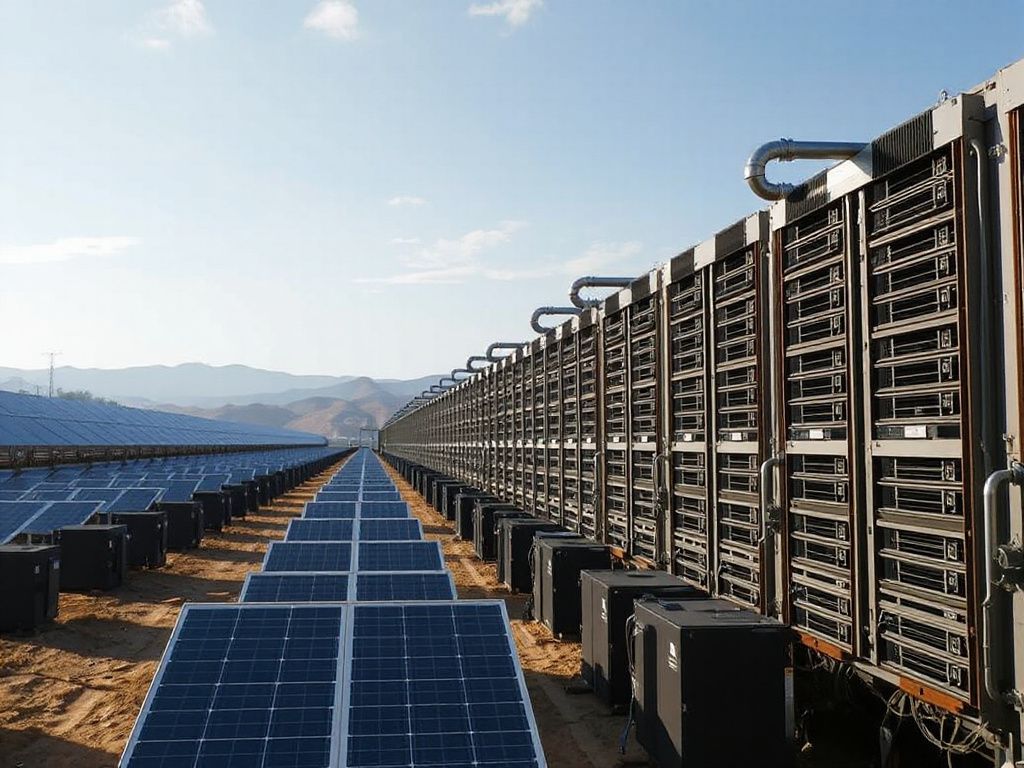
The shift is driven by several market pressures. Bitcoin’s price remains well below its all‑time high, compressing miners’ profit margins and exposing them to volatile revenue streams. At the same time, the global AI boom has created a shortage of dedicated compute capacity, pushing data‑center operators to seek alternative sources of power and cooling. Mining farms, with their massive electricity contracts and already‑built facilities, are uniquely positioned to fill this gap. By converting mining rigs into GPU farms, companies can rent rack space to AI model trainers, turning what was once a cost center into a revenue‑generating service. This hybrid model also mitigates the risk of a prolonged crypto downturn, as hash‑rate income becomes a secondary, “low‑margin” by‑product of the primary AI‑hosting business.
Analysts now view the liquidation of bitcoin reserves as a tactical hedge rather than a sign of defeat. Selling crypto assets provides the liquidity needed to service debt, upgrade infrastructure, and secure long‑term contracts with AI cloud providers such as CoreWeave. The broader industry trend suggests that the traditional “HODL” strategy for public miners is fading; instead, a diversified approach that blends mining, AI compute, and strategic balance‑sheet management is emerging as the new norm. Investors should monitor the pace of hash‑rate decline, the scale of AI‑related capital expenditures, and the evolving regulatory environment, as these factors will determine whether the pivot strengthens the sector’s resilience or simply reshapes its risk profile.