
AI Trading Bots in 2026: How Automated Strategies Are Shaping Crypto, Stock and Forex Markets
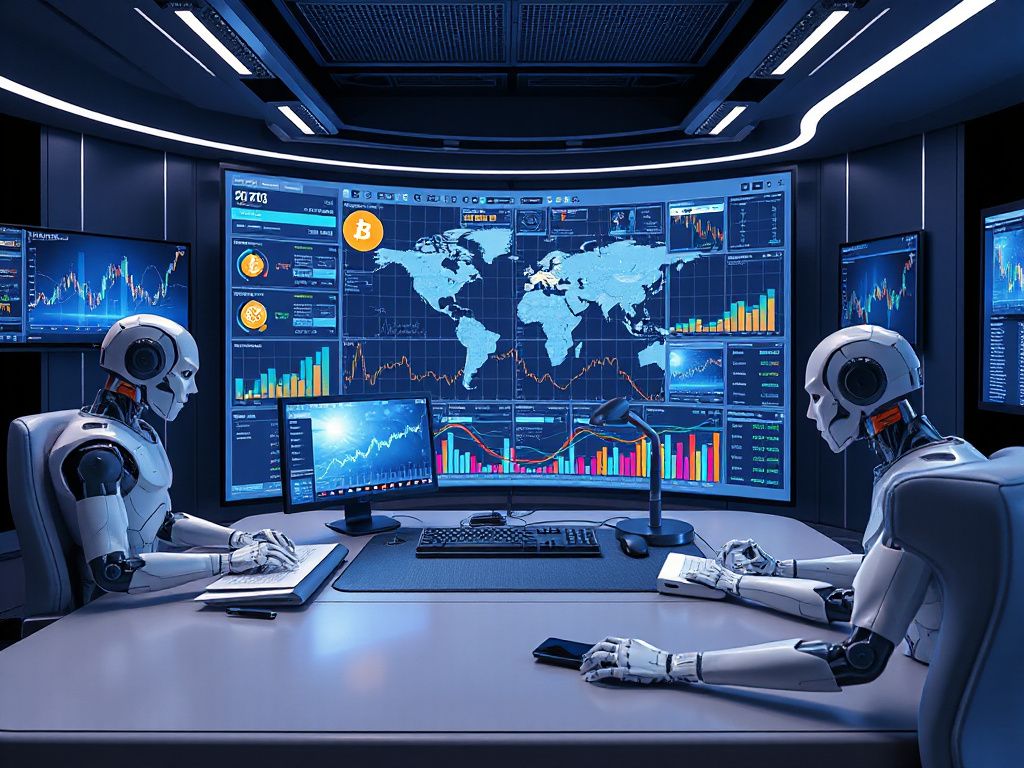
In 2026 the use of artificial‑intelligence‑driven trading bots has moved from niche quant desks to the everyday trader’s toolbox. Bots now monitor crypto markets 24/7, react to forex price swings across global sessions, and scan equity news feeds faster than any human can. Recent launches such as AriseAlpha’s free AI‑powered platform, DdbuShen’s fully automated investment system, and Neuraflow’s deep‑learning bots illustrate a clear trend: the industry is prioritising low‑entry thresholds, real‑time data ingestion, and adaptive models that can adjust to volatile market conditions. By automating order execution, risk limits, and strategy testing, these tools help traders mitigate emotional bias, improve timing, and maintain discipline while capitalising on the relentless speed of modern markets.
Choosing the right bot today requires more than a checklist of features; it demands a match between the trader’s skill set and the platform’s architecture. All‑in‑one solutions highlighted by Ambcrypto and other analysts bundle market monitoring, back‑testing, and multi‑asset support (crypto, forex, stocks) into a single dashboard, making them ideal for beginners who want a plug‑and‑play experience. More advanced users may prefer developer‑centric environments that expose APIs, custom code editors, and sandboxed simulations. Key criteria include seamless broker or exchange integration, transparent fee structures, a robust free tier for experimentation, and built‑in risk‑management tools such as stop‑loss, position sizing, and portfolio diversification. Platforms that offer copy‑trading or community‑driven strategy libraries also help newcomers learn proven tactics while still retaining control over their capital.
Despite the promise of AI, regulators continue to warn that bots are not a crystal ball. The CFTC and FINRA have highlighted the danger of over‑reliance on algorithmic predictions, especially when market shocks occur faster than any model can adapt. Scams that masquerade as “guaranteed‑return” bots remain a persistent threat, so traders should verify licensing, read independent reviews, and start with modest allocations. A prudent approach combines the speed of AI with human oversight: back‑test strategies on historical data, monitor live performance, and adjust parameters as market dynamics evolve. As AI models become more sophisticated and data sources expand, the next wave of bots will likely incorporate multimodal inputs—social sentiment, macro‑economic indicators, and on‑chain analytics—further blurring the line between traditional analysis and autonomous execution. For anyone looking to stay competitive in crypto, stock, or forex markets, experimenting with reputable free bots today provides a low‑risk gateway to the future of automated trading.